
California VINE County Coverage
VINE, short for Victim Information and Notification Everyday, is a custody-status and notification service fed by participating agencies. In California, CDCR directs people seeking someone in a county jail to VINE. County instructions from Napa and Sutter show the service being used for a specific-person search, facility location, custody status, and notices tied to release or movement. The useful starting fact is the custody owner. A county sheriff feeds jail information, while CDCR manages the state-prison layer through different tools.
The official VINELink search screen is the entry point for the California county path.
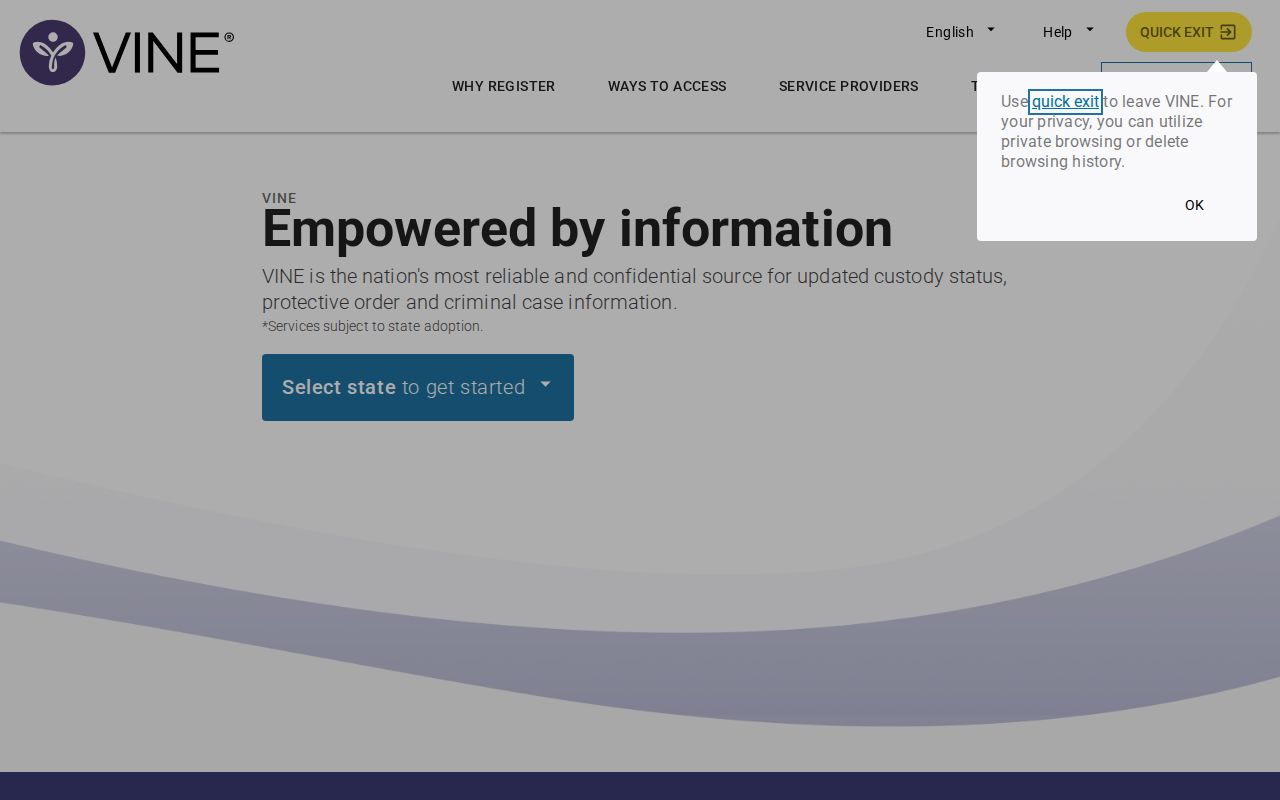
The screen begins the search, but the agency record behind a match controls the custody facts. No authoritative statewide source promises identical participation or display fields across all 58 counties. Some counties maintain their own inmate system as well. CDCR specifically points Sacramento County users to the sheriff's inmate information system, which shows why a no-result should lead to a county check rather than a release claim.
Search a California Jail Record
Search one person at a time and use the most precise details available. Official county instructions support searches by name or alias, and some implementations accept an offender ID. A date of birth or age can help separate people who share a name. The county matters just as much as spelling because California jail data is held locally. If the correct county is uncertain, trace the arrest or court location first and use the California County Directory to reach that jurisdiction's records path.
- Open VINELink and select California as the state.
- Choose the county or multi-county facility route shown by the service.
- Enter the last name and first name or initial. Try a known alias if the first search fails.
- Use age, date of birth, or offender ID when the county feed offers those fields.
- Compare the name, age, offender number, location, and status before treating a result as the right person.
- Open the detail record and use its registration option if a qualifying notice is needed.
Multiple matches demand care. Do not pick the first shared name. Compare every stable identifier the feed provides and then confirm the record with the sheriff or jail. A person who was moved from county custody to a CDCR institution may stop appearing in the same county path. That change is a transfer clue, not proof of release into the community.
Note: Exact fields differ by participating county, so record only what the live agency-fed result actually displays.
California VINE Release Fields
California county guidance documents a practical but limited set of VINE information. Sutter County says a search can return current custody status, offender number, and location. Napa County describes custody-event registration and the phone PIN used to protect notification access. Neither source promises a universal historical release date, release type, or fixed retention period after release. The safe reading is narrow: use the fields shown for the participating agency, at the time of the search.
| Field or event | What it can establish |
|---|---|
| Name or alias | Helps identify the record, but must be checked against other details. |
| Offender number | Provides a stronger identifier when the county feed supplies one. |
| Custody status | Reports the status received from the participating agency, subject to update lag. |
| Location | Names the reported jail or custodial site at that point in time. |
| Release notice | Signals an agency-reported custody event; verify its time and meaning with the jail. |
| Transfer notice | Shows movement to another custodian, not release from all custody. |
A released person may no longer remain searchable. VINE does not publish a California-wide promise that a past record stays visible for any set number of days. If a prior match vanishes, preserve the offender number and contact the agency that supplied the record. Government custody systems can update at different times, so the time of the search belongs in any notes about the result.
Register California Release Alerts
Notification starts from the matched VINE record, not from a broad name list. Official county instructions show alerts for events that may include release, transfer, escape and return, or unsupervised custody. Available delivery methods depend on the live registration screen and agency setup. Napa's instructions describe phone registration with a PIN, which helps prevent someone else from changing the registration. Keep the PIN private and follow each confirmation prompt.
- Confirm the record belongs to the intended person before selecting notification registration.
- Choose the custody event or events offered for that record.
- Enter the phone or other contact method accepted by the live service.
- Create or record the PIN when the system requests one.
- Complete the confirmation step and keep the registration details in a safe place.
- When an alert arrives, verify the event with the agency shown in the record.
The Napa County VINE instructions show the phone-and-PIN process used in one official California implementation.
The California Department of Corrections and Rehabilitation identifies the state agency behind the separate prison-notification layer.
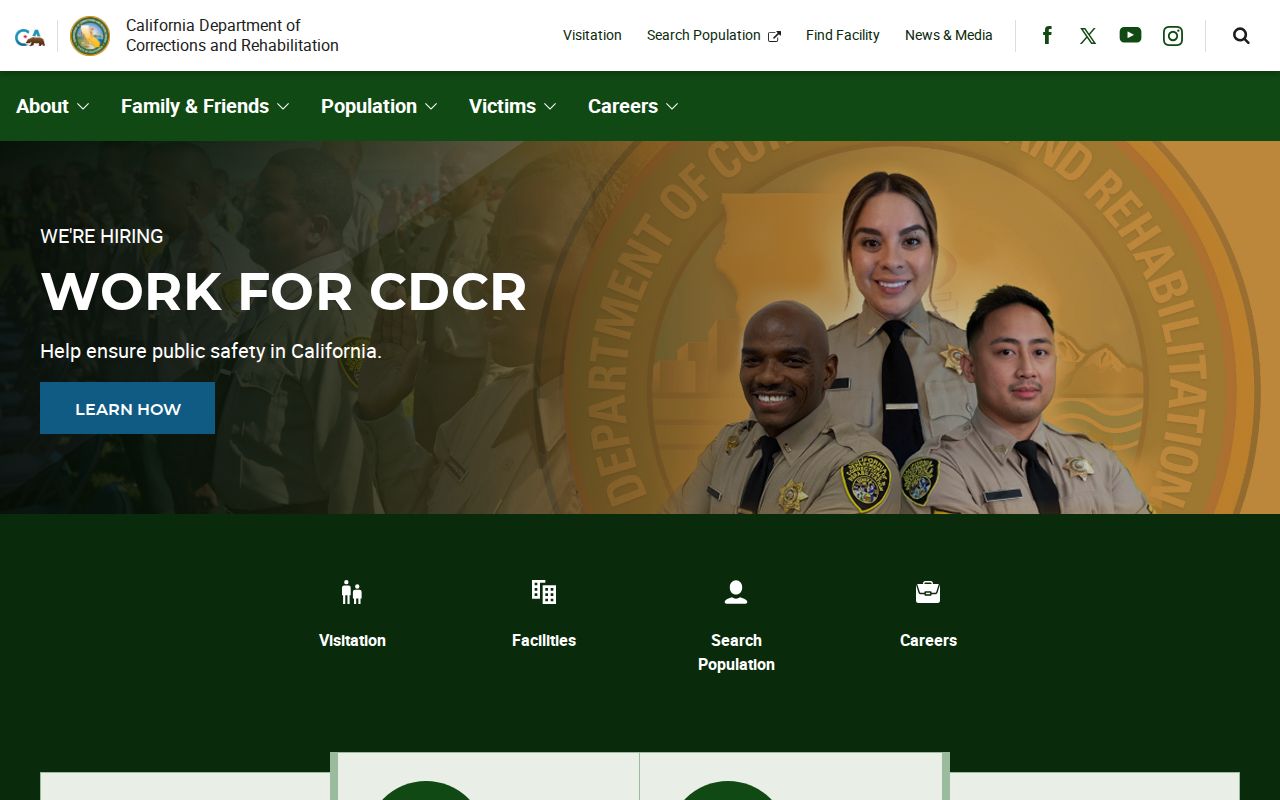
California's corrections structure makes that county registration only one layer. If the event is a transfer to state prison, follow CDCR's registration rules rather than assuming the county alert will track every later state-prison event.
California Splits Release Notifications
California's most important VINE quirk is the break between county jail and state prison. CDCR victim-services instructions say to use VINE for a person in county jail and for notice of a transfer to CDCR. After the transfer, qualifying victims, family members, or witnesses register through CDCR's separate Office of Victim and Survivor Rights and Services process. The state registration is not merely another screen inside a single guaranteed VINE archive.
The CDCR victim-notification registration portal is the separate state-prison route described by the department.
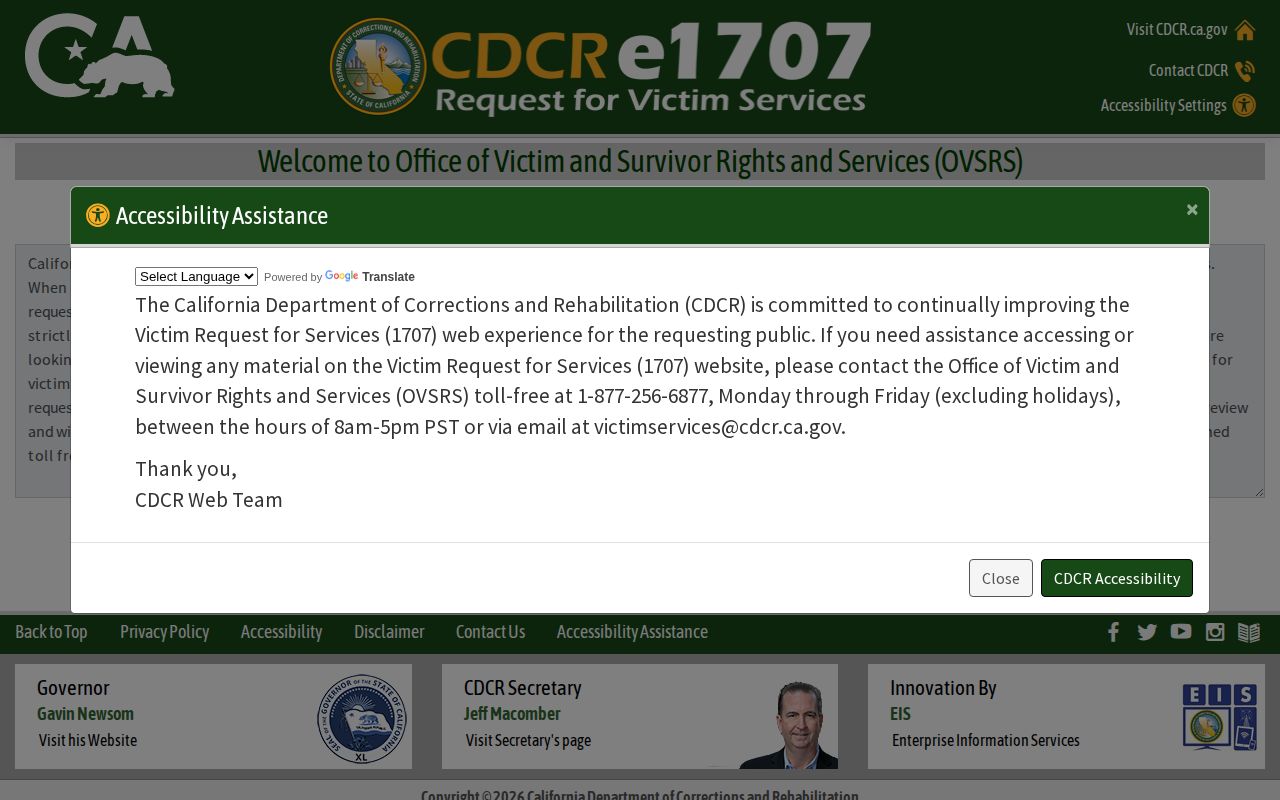
This split changes how a search should proceed. A county VINE transfer notice may close one part of the trail and open the CDCR part. It does not mean the person has been released. Eligibility and registration details for CDCR notice come from the department's current instructions, so use the state portal only for the groups and purposes it names.
- County custody
- A sheriff or county corrections agency holds the person and supplies the local custody feed.
- CDCR custody
- The person is held at a state institution and is searched through CIRIS for current custody.
- Transfer
- Custody moves to another agency or facility; it is not the same as release.
- Notification
- A registration-based message about a reported custody event, not an official release record.
Note: California VINE and CDCR notification serve connected but distinct roles, so keep both registration records when custody shifts.
California Prison Custody Checks
A current California state-prison search belongs in CIRIS, the California Incarcerated Records and Information Search. CDCR documents CIRIS as a locator for people in custody at a CDCR institution. Its results may include name, age, CDCR number, current location, date admitted, commitment county, and a parole-eligible month and year. CDCR does not document a historical released or discharged status in CIRIS. A missing record therefore cannot be renamed a release result.
The official CIRIS landing page shows the state-prison search that sits outside the county VINE workflow.
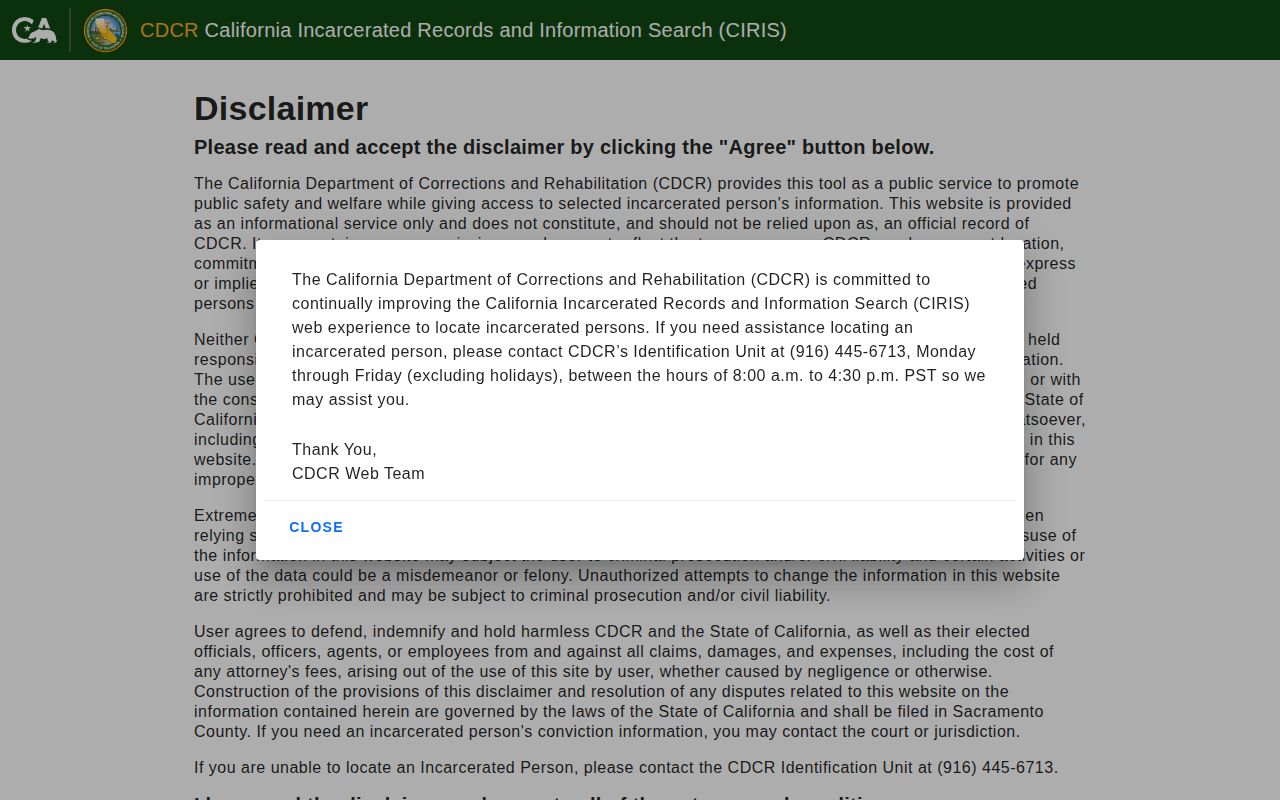
Use a CDCR number when possible. If a recent county transfer may have occurred, allow for processing time and then check CIRIS. When no match appears, the CDCR Identification Unit can help with identity and current-location questions. For a completed release or discharge event, request the needed CDCR record or contact the proper parole or county supervision custodian.
Resolve California VINE No-Results
A failed name search calls for a short source check, not a broad conclusion. First verify the spelling, alias, and county. Official county instructions show that name formats and available refinements can differ. Try the first initial if the live form allows it, then compare date of birth, age, or offender number. If the arrest county and holding county are different, search the actual custodian. A court appearance in one county does not ensure that county holds the person.
Next, decide whether custody may have moved. A county feed can stop returning the same record after transfer to CDCR, another jail, federal custody, or immigration detention. Check CIRIS only for current CDCR institutional custody. Use the BOP locator only for federal prisoners and ICE ODLS only for current adult immigration detention within that tool's scope. Each locator answers its own agency question. Silence across several systems still does not establish a release.
Agency participation and update timing are the final checks. No primary source reviewed guarantees that all California counties feed VINE in the same way. Ask the jail whether it participates, which identifiers it sends, and where release or transfer information is recorded. VINE's service and help notice provides technical support and repeats that its information is not guaranteed accurate, current, or complete. A sheriff's records unit can address the underlying county record.
Keep the search time and terms. If a match had appeared before, retain the offender number, facility, and last known status. Those details make a later records request more focused and reduce the risk of confusing two people. For a county release, request the time and manner of release or current holding location when that is the fact needed.
Confirm California Release Alerts
VINE warns that information may not be accurate, current, or complete. Its service-help page lists round-the-clock assistance at 1-866-277-7477, but the originating jail remains the source for a county custody event. After an alert, note the stated event, agency, time, and offender number. Then ask the jail whether the event was a community release, transfer, unsupervised custody, return, or another change. That distinction prevents a transfer notice from being mistaken for freedom from custody.
Federal and immigration custody are separate. VINE does not replace the Bureau of Prisons locator or ICE Online Detainee Locator. BOP expressly uses “Released” or “Not in BOP Custody” for its own system, while ICE's locator is aimed at current adult detention and is not a historical release database. Neither result resolves another sovereign's custody. A person may leave one system and enter another.
The BOP Inmate Locator illustrates the separate federal search channel.
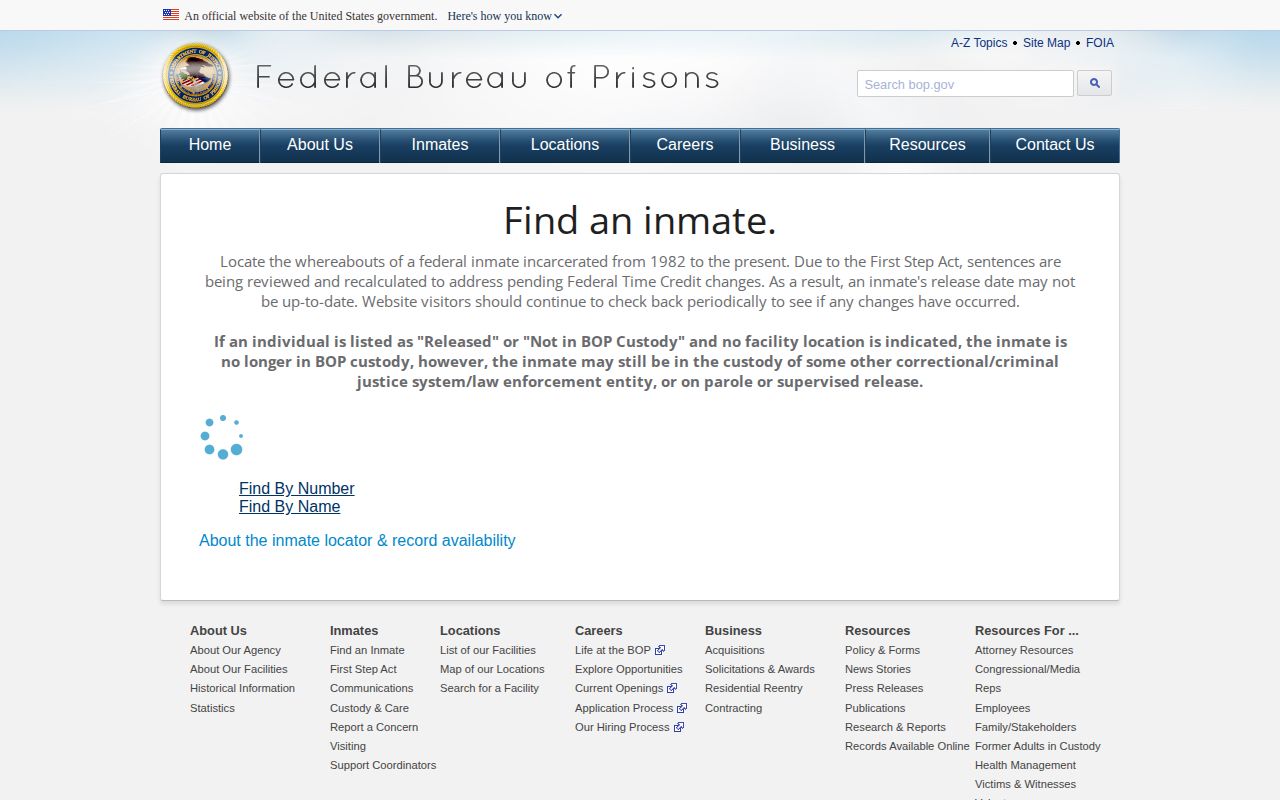
Use that locator only for federal custody. For unresolved county results, recheck spelling, aliases, the correct county, and whether the agency participates. For state prison, use CIRIS and CDCR. The strongest conclusion comes from the record custodian, not from silence in one online tool.