
California Parole and Probation Split
California uses several supervision tracks after custody. Parole is a period of state supervision after release from a CDCR term. The Division of Adult Parole Operations, known as DAPO, runs that track. Probation is ordered by a court and is normally administered by a county probation department. Postrelease community supervision, or PRCS, is also county-run, but it follows release from state prison for cases assigned to that track under Penal Code sections 3451 through 3457. These labels are not interchangeable. They point to different files, officers, and verification routes.
The key distinction is jurisdiction. CDCR states that a person on PRCS is discharged from CDCR jurisdiction and reports to the responsible county agency. A person on state parole remains under DAPO. Court probation may exist without a state-prison release at all. A current jail roster answers whether someone is now booked at that jail. It does not identify all forms of post-release supervision. CIRIS is also a current CDCR custody search, not definitive proof that parole is active or over.
| Supervision type | Who manages it | Best verification route |
|---|---|---|
| State parole | CDCR Division of Adult Parole Operations | The assigned parole unit or DAPO regional directory |
| PRCS | Responsible county probation department | Release notice, then the named county probation office |
| Court probation | County probation department and sentencing court | County probation office and the filing superior court |
| Discharged parole | DAPO or BPH, depending on the case | Certificate of Discharge or discharge-card records path |
The CDCR home page introduces the state corrections system that contains DAPO and the Board of Parole Hearings.
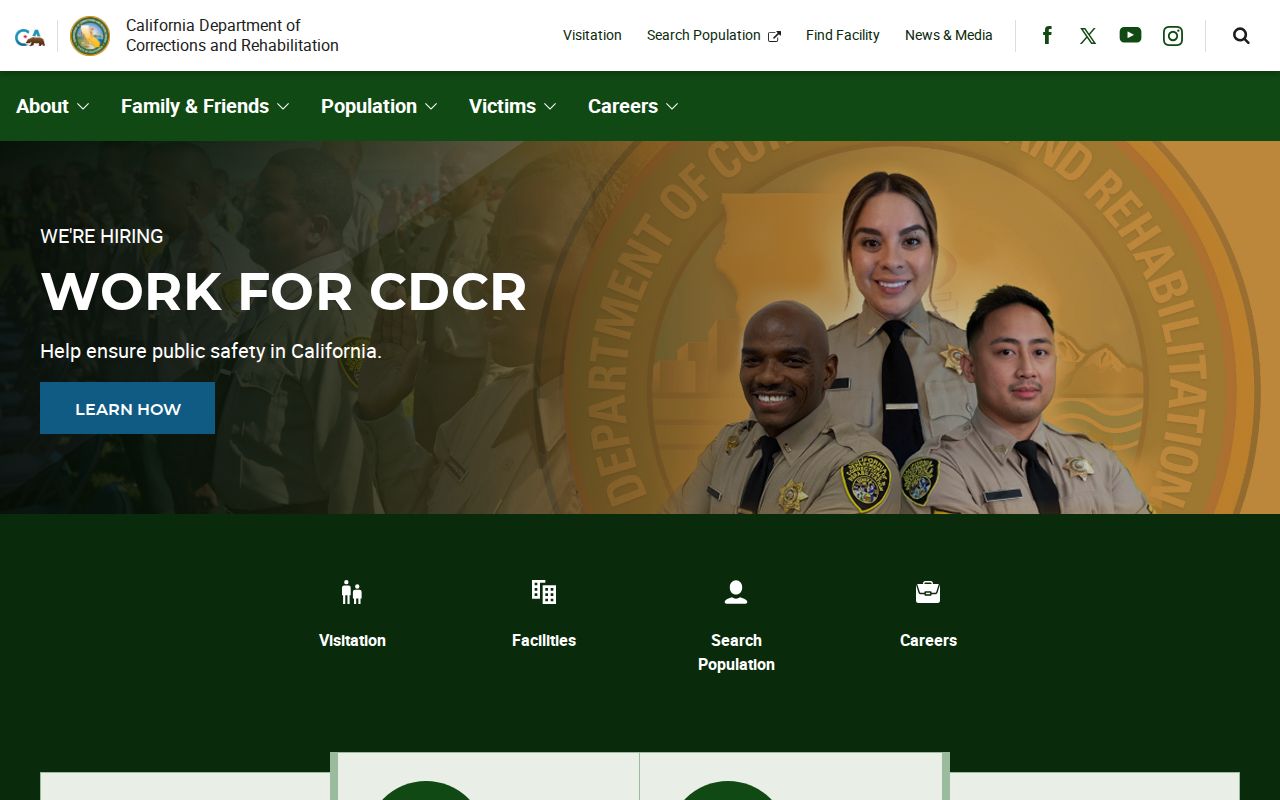
That statewide entry point is useful for agency routing, but it is not a public list of every person now on parole or probation.
Verify California Release Supervision
There is no verified public California database that accepts any name and returns complete parole, PRCS, and probation status. Verification starts with the release path. A CDCR release notice can identify whether the person reports to DAPO or a county PRCS agency. A county court record may identify probation. When the source document is unavailable, use the known release agency, commitment county, and sentencing court to narrow the route. Avoid treating silence from one system as a statewide answer.
- Confirm which agency last held the person. Separate a county-jail release from a CDCR prison release, because the two records systems serve different custody owners.
- For a CDCR release, check the release notice for state parole or PRCS language. The notice should identify the responsible county when PRCS applies.
- For state parole, use the DAPO regional and unit directory to locate the nearest appropriate parole unit.
- For PRCS or court probation, use the named county probation department. The statewide county directory maintained by probation leaders can route the inquiry when the office is not known.
- Ask the official custodian what public confirmation can be provided. Identity matching may require a full name, date of birth, CDCR number, court case number, or release document.
- If the issue is whether supervision ended, request the discharge record rather than inferring an end date from a missing online result.
The official California Incarcerated Records and Information Search shows people in custody at a CDCR institution.
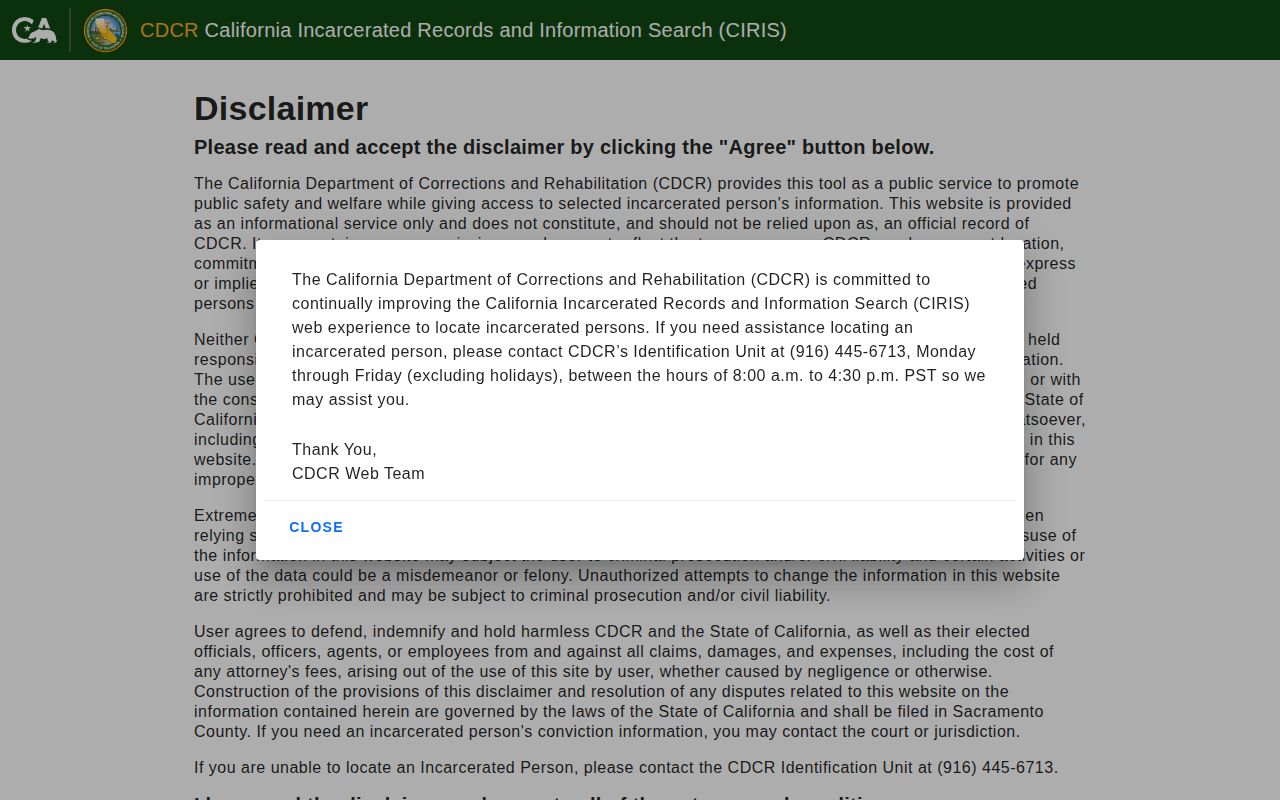
CIRIS can help establish the present custody layer, but CDCR does not document it as a released-person archive or a complete parole-status lookup.
County-level routing matters because California has 58 county systems rather than one public probation database. The California County Directory leads to local release-record paths when the person left county custody. For a state-prison release, the release notice and DAPO or PRCS custodian remain more direct evidence.
Note: Confirm the person with more than a name whenever the agency permits it, since common names and changed spellings can point to the wrong record.
California Parole Unit Records
DAPO reports more than 92 units divided between Northern and Southern regions. Its public directory tells a person who needs help to contact the nearest unit. That organization explains why a single statewide phone line is not presented as the answer for every parole case. The correct unit depends on placement and case assignment, which may differ from the prison, commitment county, or county where a person was arrested.
Division of Adult Parole Operations
California Department of Corrections and Rehabilitation
Use the official Northern and Southern regional unit directory to locate the appropriate office.
County Probation Routing
Chief Probation Officers of California
This association directory routes users to county departments. It is not a state supervision-record search.
The CDCR contact and Identification Unit page provides official help routes for CDCR identity and record questions.
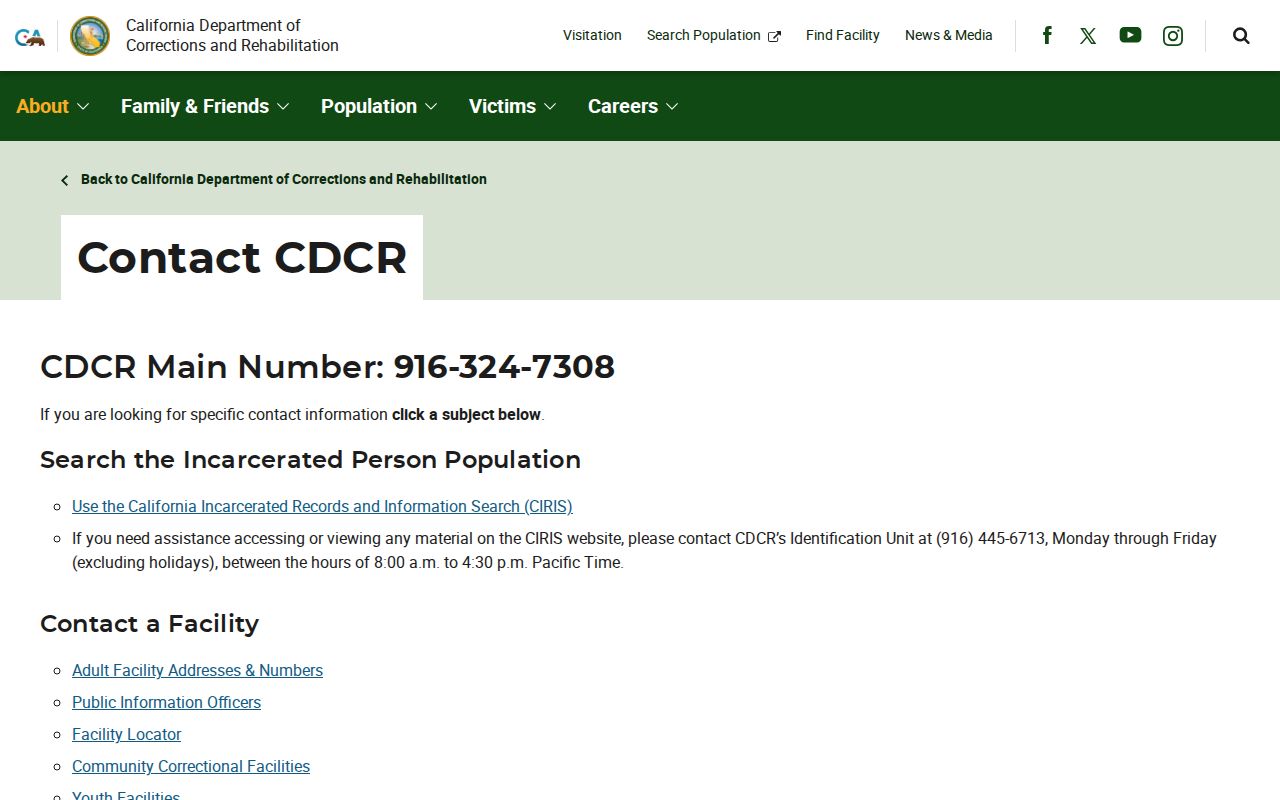
Use that page for CDCR matters, then move to the county custodian when the release notice places the person on PRCS.
California PRCS Release Routing
California's PRCS structure creates a firm agency boundary. Penal Code section 3457 states that CDCR has no jurisdiction over a person who is on postrelease community supervision. County probation becomes the record and supervision destination. That makes the CDCR release notice especially valuable. It names the responsible county agency and provides contact information, reducing the risk of asking a parole unit about a case it does not control.
The split comes from the case category, not a reader's guess about seriousness or location. Some qualifying releases go to PRCS, while excluded cases remain on state parole. A person may have served a CDCR sentence yet report to a county department after release. Conversely, being in a county does not mean the person is on county PRCS. The formal release packet resolves the route.
The CDCR PRCS contacts page shows the state-to-county release-packet process and contact structure.
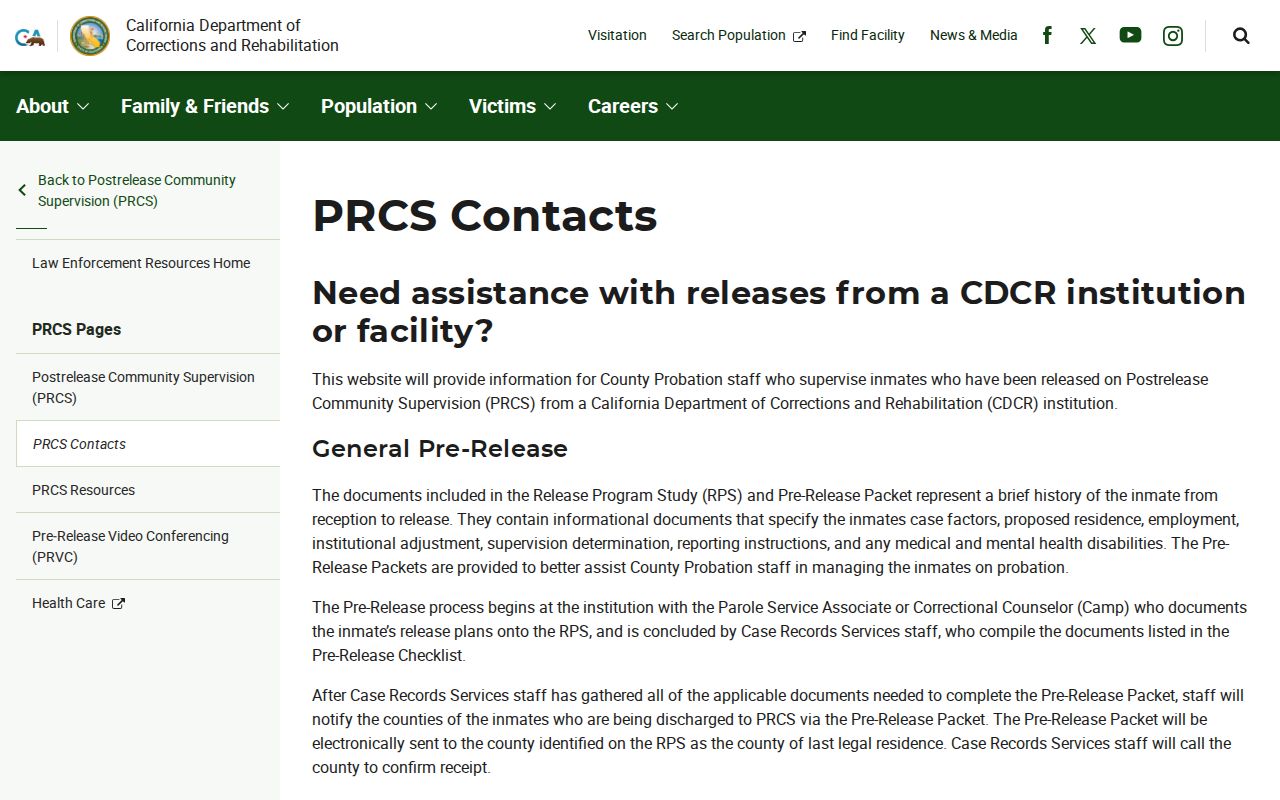
This document path is stronger than assuming that a statewide offender search will name the current county probation office.
What if the release notice is missing? Begin with the county probation office tied to the release destination or sentencing case, and ask which office keeps the public portion of the supervision record. If that county cannot match the person, return to CDCR's records route with the CDCR number and release details. This is a routing inquiry, not proof of status by itself.
California Parole Violation Checks
Conditions of supervision are case-specific. At a high level, a violation means the supervising authority believes a required condition was not met. The next event may involve review, a court process, custody, or a change in supervision. A detainer is a request by another authority to hold or notify before release. An absconder is a person alleged to have stopped reporting or left supervision without permission. None of these terms should be inferred from a name disappearing from a public page.
DAPO's public wanted page has a much narrower scope than a full absconder or warrant list. It identifies wanted sex offenders sought after removal of, or tampering with, required GPS equipment. Searches can use name, alias, CDCR number, county, city, or ZIP code. CDCR warns people not to confront anyone shown there. Absence from that page does not establish compliance, discharge, or lack of a warrant.
- Parole
- State supervision after release from a CDCR term.
- PRCS
- County postrelease community supervision for qualifying CDCR releases.
- Probation
- Court-ordered supervision generally managed by a county department.
- Absconder
- A person alleged to have stopped reporting or left supervision without approval.
- Discharge
- The formal end of parole and CDCR supervision on the covered commitments.
Note: The DAPO wanted page is a safety-focused subset, not a complete public index of California parole violations, warrants, or supervision status.
California Parole Discharge Papers
Discharge has formal paperwork in California. CDCR defines it as the point when a person is no longer on parole. The authority may rest with DAPO or the Board of Parole Hearings, depending on the case. In the BPH path, the parole agent begins review with Form 1502, and the Board issues a written decision. A violation can change the controlling date, so an expected term should not be treated as proof that supervision ended.
CDCR Form 163, revised in August 2024, is the Certificate of Discharge. It certifies discharge from CDCR jurisdiction on existing felony commitments. DAPO case records also issues discharge cards. CDCR directs a request made about 90 days after discharge to the listed discharge-card channel or the person's parole unit. That waiting guidance concerns the document route; it is not permission to estimate a discharge without the record.
The CDCR parole discharge page explains how state parole reaches its formal end.
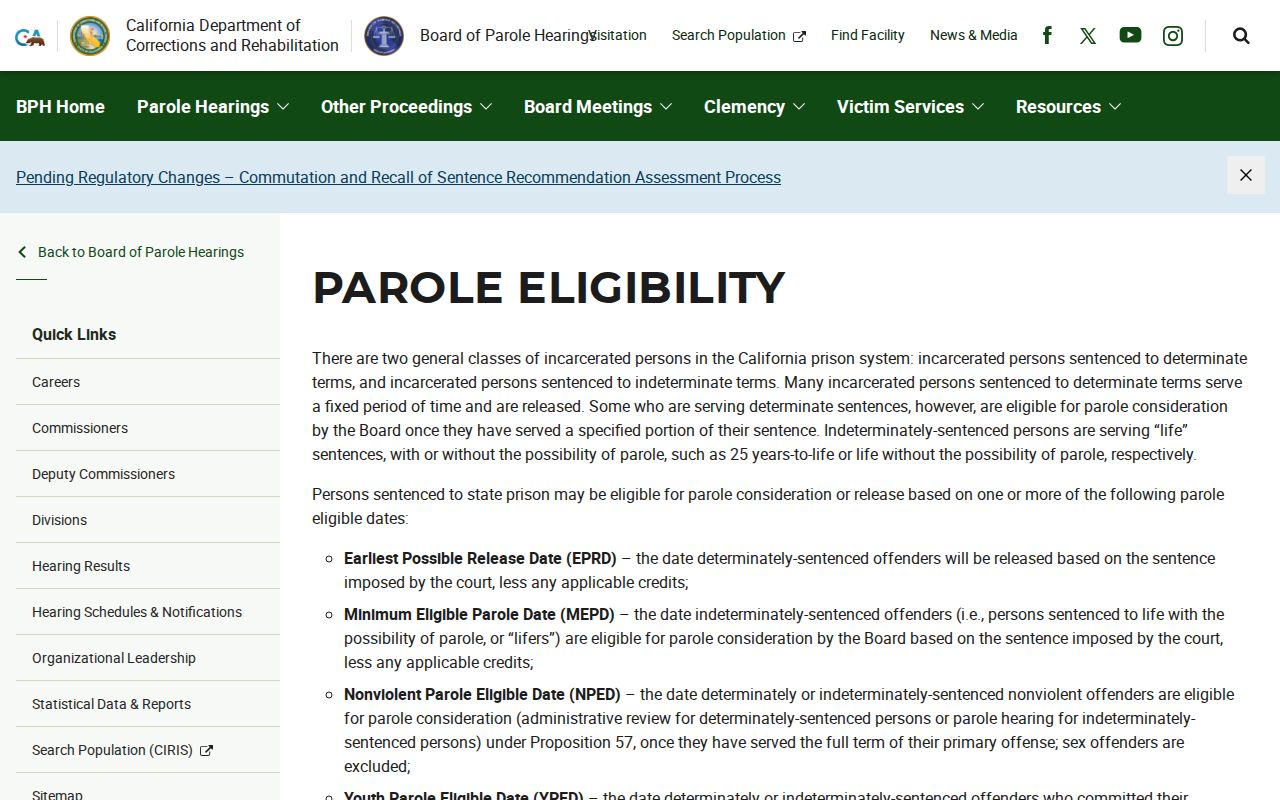
The screen reinforces that eligibility, release, active supervision, and discharge are separate milestones that need separate records.
The BPH early parole discharge review supplies the Board-side process. When a document is needed, ask for the written decision, certificate, or discharge card that applies to the case. A verbal estimate or a missing search result is a weaker substitute.
California Release Record Boundaries
Supervision verification works best when each question goes to its record owner. A county jail can confirm its own custody and release record. CDCR can address a state-prison commitment and DAPO parole. A county probation department controls PRCS and local probation information. The sentencing superior court holds the trial-level case record that may show probation, remand, or later orders. Federal supervised release follows a different federal route and is not proven by a California parole search.
The main California released inmates search path explains how to separate county, state, federal, and immigration custody before choosing a source. That distinction prevents a current-custody roster from being used as a released-person archive. It also prevents CIRIS absence from being called a discharge.
Keep the final claim as narrow as the evidence. A release notice may prove the assigned supervision route. A parole unit may confirm its own case. A Certificate of Discharge can establish the formal end of covered CDCR jurisdiction. None of those records, alone, answers every possible court or custody question. When two systems conflict, verify the identifier, date, and agency directly with both custodians.
California trial-court records form another useful check when probation or a later court order is at issue. The state does not offer one central public name search for all trial cases. Each of the 58 superior courts keeps the records filed in that county. A docket may show probation, sentencing, custody credit, remand, or another order that explains why a custody record changed. Remote access to a criminal case may be limited, so the filing court can require courthouse access or a records request for material that is not available online.
That court route should stay separate from DAPO and PRCS confirmation. A docket can establish what the judge ordered, while the supervising agency holds the current administrative record within the limits of public access. Start with the filing county when a case number or sentencing county is known. Then compare the order with the release notice and the response from the assigned office. If the dates do not align, ask each custodian which event its record describes. A court disposition, a prison release, and a discharge from supervision can occur on different dates.
Note: A person can be physically out of custody while still on parole, PRCS, probation, electronic monitoring, or another lawful form of supervision.